
How Early Detection Can Save Your Vision from Glaucoma

How Early Detection Can Save Your Vision from Glaucoma

How Early Detection Can Save Your Vision from Glaucoma


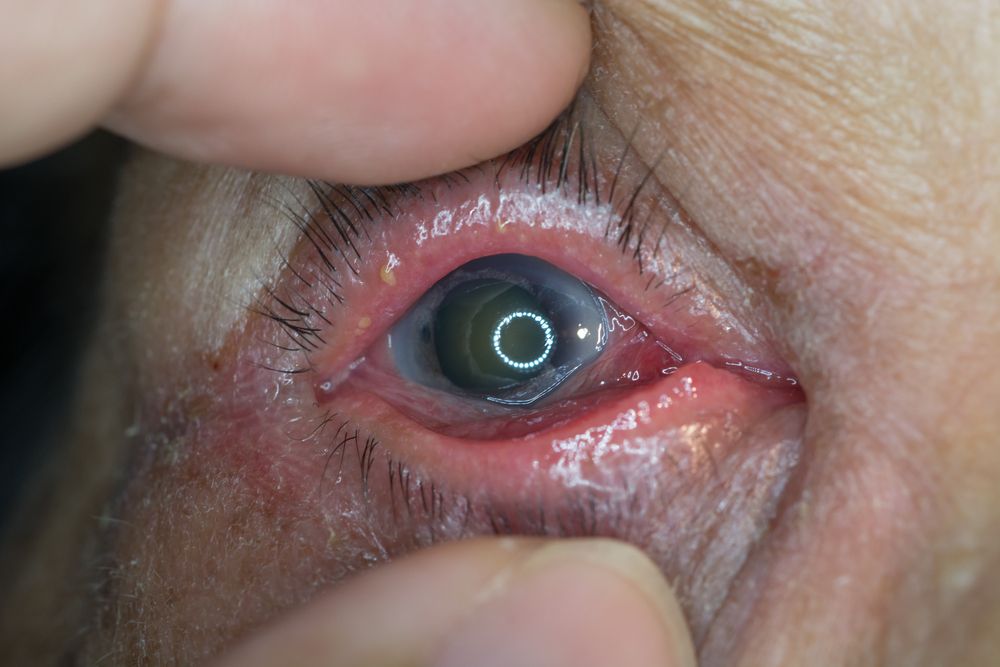
Glaucoma is one of the leading causes of irreversible blindness worldwide, yet many people don’t realize they have it until permanent damage has already occurred. This progressive eye disease often develops slowly and without warning signs, silently affecting the optic nerve and gradually reducing peripheral vision. Because early stages typically cause no pain or noticeable symptoms, routine eye exams and advanced diagnostic testing are essential.
What Is Glaucoma?
Glaucoma is a group of eye diseases that damage the optic nerve, the structure responsible for transmitting visual information from the eye to the brain. This damage is often - though not always - associated with elevated intraocular pressure (IOP).
The most common form, primary open-angle glaucoma, progresses slowly and painlessly. Other types, such as angle-closure glaucoma, can develop more suddenly and require immediate medical attention. Because early glaucoma rarely causes symptoms, regular eye exams are critical for detection.
Why Early Detection Matters
Vision loss from glaucoma is irreversible. Once optic nerve fibers are damaged, they cannot be restored. However, when diagnosed early, treatment can significantly slow or even halt progression.
Early detection allows for:
- Preservation of peripheral vision
- Prevention of severe visual impairment
- Reduced risk of blindness
- More treatment options and better outcomes
Routine screenings are especially important for individuals at higher risk, including those over age 40, people with a family history of glaucoma, individuals with diabetes, African American and Hispanic populations, and those with high eye pressure.
How Glaucoma Is Diagnosed
At Sacramento Eye Consultants, diagnosing glaucoma involves more than a simple vision check. A comprehensive glaucoma evaluation may include:
- Tonometry (Eye Pressure Measurement): Tonometry measures intraocular pressure. While elevated pressure is a major risk factor, glaucoma can still occur even with normal pressure levels.
- Optic Nerve Evaluation: Using specialized imaging technology, your ophthalmologist carefully examines the optic nerve for early signs of damage.
- Visual Field Testing: This test measures peripheral vision and helps identify blind spots that may indicate glaucoma-related damage.
- Corneal Thickness Measurement: Corneal thickness can influence eye pressure readings and help assess overall risk.
These diagnostic tools work together to create a detailed picture of your eye health, enabling accurate and early diagnosis.
Monitoring and Ongoing Care
Glaucoma management does not end with diagnosis. Because it is a chronic condition, regular monitoring is essential to track changes in eye pressure and optic nerve health.
Treatment options may include:
- Prescription eye drops
- Oral medications
- Laser therapy
- Glaucoma surgery
The earlier glaucoma is identified, the more effectively it can be managed with less invasive treatments.
Schedule Your Glaucoma Screening Today
Glaucoma does not have to result in vision loss - but early detection is critical. Because the disease often progresses silently, routine comprehensive eye exams are your best defense. With timely diagnosis and appropriate treatment, most patients can preserve their vision and maintain their quality of life.
Schedule your glaucoma screening with Sacramento Eye Consultants and take a proactive step toward safeguarding your sight for years to come. Contact our office in Sacramento, Folsom, or Lincoln, California, by calling (916) 915-0300 to book an appointment today.


Services
© 2026 Sacramento Eye Consultants. All Rights Reserved.
Accessibility Statement - Privacy Policy - Sitemap
Powered by:
